In today’s technology-driven world, businesses and governments rely heavily on integrated digital systems to manage operations, secure data, and deliver services efficiently. One concept gaining attention in the modern IT ecosystem is DPSIT. This term represents an approach to digital infrastructure that focuses on secure data management, system connectivity, and efficient technological processes.
As companies continue to expand their digital capabilities, the demand for reliable frameworks that connect various technologies has grown significantly. DPSIT provides a structured method for managing digital systems, ensuring that data flows smoothly across platforms while maintaining strong security and operational stability.
What Is DPSIT?
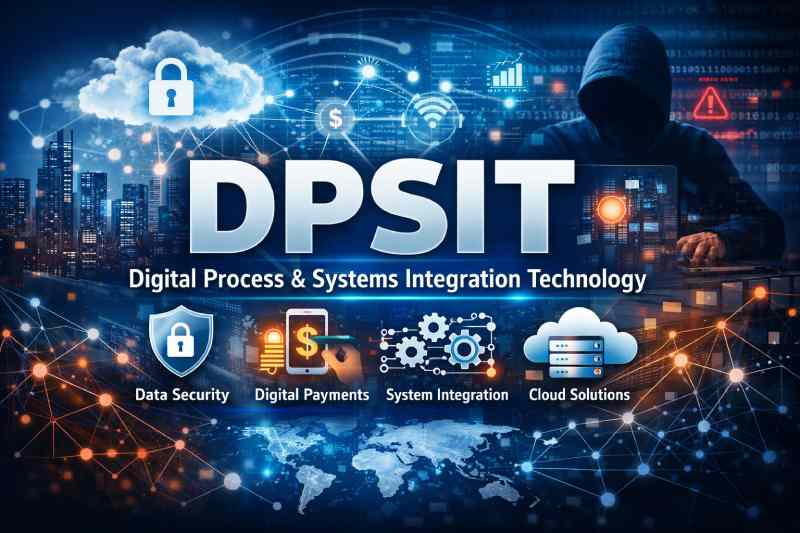
DPSIT generally refers to Digital Process and Systems Integration Technology, a concept used to describe technologies and frameworks that combine digital processes, secure data management, and interconnected IT systems.
At its core, DPSIT focuses on creating a unified technological environment where multiple digital tools and platforms can operate together without friction. Organizations today use various software systems for accounting, marketing, customer management, analytics, and operations. Without proper integration, these systems often operate in isolation, leading to inefficiencies and security risks.
Through a structured approach, DPSIT enables organizations to:
- Connect multiple software platforms
- Improve data sharing between systems
- Strengthen cybersecurity practices
- Automate digital workflows
- Enhance operational efficiency
By implementing such technologies, businesses can streamline operations while ensuring that sensitive information remains protected.
The Growing Importance of DPSIT in the Digital Era
The rapid growth of digital transformation across industries has made integrated technology systems essential. Businesses today operate in environments where data is constantly generated, transferred, and analyzed. Managing this complex ecosystem requires a reliable technological framework.
DPSIT has become important because it helps organizations adapt to several major technological trends, including:
Increased Digitalization
Companies are moving many operations online, from sales and marketing to customer support and logistics. Managing these systems efficiently requires a unified approach to digital infrastructure.
Data Security Challenges
With the rise of cyber threats, protecting sensitive information has become a top priority. DPSIT helps organizations implement strong security protocols and centralized monitoring systems.
Multi-Platform Business Environments
Modern businesses often rely on multiple software tools simultaneously. Integration technologies ensure that these platforms communicate effectively, reducing manual work and errors.
Automation and Artificial Intelligence
Automation tools and AI-powered platforms rely on large amounts of structured data. Integrated systems help ensure that accurate data flows between platforms to support intelligent decision-making.
Because of these factors, many organizations are adopting strategies aligned with DPSIT principles to remain competitive in the digital economy.
Core Components of DPSIT
Understanding the main elements behind DPSIT helps clarify how it functions within modern organizations. Several key components make up this technological framework.
Digital Infrastructure
Digital infrastructure forms the foundation of integrated technology systems. It includes cloud platforms, data centers, networking systems, and computing resources that support digital operations.
Modern infrastructure often relies on cloud computing services that provide scalability, reliability, and remote access to data and applications.
System Integration
One of the most important aspects of DPSIT is system integration. Organizations typically use various applications such as CRM platforms, financial systems, analytics tools, and marketing software.
Integration technologies allow these systems to exchange information automatically, ensuring that data remains consistent across platforms.
This reduces duplication of work and allows employees to focus on strategic tasks rather than manual data entry.
Data Management and Analytics
Data is one of the most valuable assets for modern organizations. DPSIT frameworks include tools for storing, processing, and analyzing data effectively.
These systems help companies organize large volumes of information and generate insights that support better decision-making.
Data analytics platforms also enable businesses to monitor performance metrics, customer behavior, and operational efficiency.
Cybersecurity and Data Protection
Security is a critical element in any digital ecosystem. DPSIT incorporates security measures designed to protect sensitive information and prevent unauthorized access.
This may include:
- Data encryption
- Identity and access management
- Network security monitoring
- Threat detection systems
- Compliance monitoring
These security features help ensure that digital systems remain protected against cyber threats.
Automation and Workflow Optimization
Automation plays an important role in improving productivity. Integrated digital systems allow organizations to automate repetitive tasks such as data synchronization, reporting, and customer communication.
Automation reduces human error while increasing efficiency and scalability.
Applications of DPSIT Across Industries
The concept of DPSIT is not limited to a single sector. Instead, it supports digital transformation across many industries.
Financial Services and Banking
Financial institutions manage large volumes of transactions and sensitive customer data. Integrated digital systems allow banks to process payments securely, monitor financial activities, and detect fraudulent transactions.
By implementing DPSIT-driven frameworks, financial organizations can maintain secure and efficient operations.
E-Commerce Platforms
Online retail businesses rely heavily on integrated systems to manage orders, inventory, payments, and customer interactions.
Through advanced integration technologies, e-commerce platforms can synchronize product data, track shipments, and analyze customer behavior in real time.
Healthcare Systems
Healthcare providers manage critical patient data that must remain secure and accessible to authorized personnel.
Integrated digital systems help hospitals coordinate patient records, diagnostic systems, and treatment plans across departments while maintaining privacy and regulatory compliance.
Government Digital Services
Many governments are digitizing public services to improve accessibility and efficiency. Integrated systems allow citizens to access services such as tax filing, license applications, and benefit programs online.
These platforms rely on strong digital infrastructure and secure data management practices.
Enterprise Technology Environments
Large organizations often operate complex technology ecosystems that include internal databases, customer management platforms, communication systems, and analytics tools.
DPSIT enables these systems to function as a unified environment, supporting collaboration and efficient operations.
Benefits of Implementing DPSIT
Organizations that adopt integrated digital frameworks experience several important benefits.
Improved Operational Efficiency
Integrated systems reduce the need for manual data entry and repetitive processes. Employees can access accurate information quickly, improving productivity.
Enhanced Data Accuracy
When systems communicate automatically, the risk of data duplication and errors decreases significantly. This ensures that decision-makers rely on consistent and reliable information.
Stronger Security Measures
Centralized security monitoring and advanced encryption technologies help protect organizations from cyber threats.
Scalability for Growing Businesses
Digital infrastructure built around integration principles allows organizations to scale operations without significant disruptions.
As businesses grow, new systems can be added to the ecosystem without requiring complete infrastructure changes.
Better Customer Experiences
Integrated systems enable companies to deliver personalized and efficient services. Customers benefit from faster responses, smoother transactions, and more accurate information.
Challenges Associated With DPSIT Implementation
Although integrated digital frameworks offer many advantages, implementing them can present certain challenges.
Complex Integration Processes
Connecting multiple legacy systems can require significant technical expertise and planning.
Data Migration Risks
Organizations often need to move data from older systems into new platforms. If not handled carefully, this process may lead to data loss or inconsistencies.
Security Management
While integrated systems improve security capabilities, they also create larger networks that must be monitored carefully.
Cost and Resource Requirements
Implementing advanced digital infrastructure may require investments in technology, training, and specialized personnel.
Despite these challenges, many organizations find that the long-term benefits outweigh the initial difficulties.
The Future of DPSIT
The role of integrated digital systems will likely continue to grow as technology evolves. Several emerging trends may shape the future development of DPSIT frameworks.
Artificial Intelligence Integration
AI technologies are becoming increasingly important for data analysis, predictive modeling, and automation.
Integrated digital systems will provide the data infrastructure required for AI-driven insights.
Edge Computing
Edge computing allows data processing to occur closer to the source of information, reducing latency and improving performance.
This approach may become an important component of future digital infrastructure strategies.
Advanced Cybersecurity Technologies
As cyber threats evolve, organizations will need stronger security systems that incorporate real-time threat detection and automated response mechanisms.
Internet of Things Expansion
The increasing number of connected devices will generate large volumes of data. Integrated systems will play a critical role in managing and analyzing this information effectively.
By embracing these developments, organizations can create more intelligent and responsive digital environments.
FAQs
What does DPSIT stand for?
DPSIT typically refers to Digital Process and Systems Integration Technology, a framework that connects digital systems, data management processes, and security infrastructure.
Why is DPSIT important for businesses?
It helps organizations streamline operations, integrate multiple software systems, improve data security, and support digital transformation initiatives.
Which industries benefit from DPSIT frameworks?
Many industries benefit from integrated digital systems, including finance, healthcare, e-commerce, government services, and enterprise technology environments.
How does DPSIT improve cybersecurity?
It supports centralized security monitoring, encryption technologies, and access control systems that protect sensitive data from unauthorized access.
Can small businesses implement DPSIT strategies?
Yes. While large enterprises often use complex systems, small businesses can also benefit from integrated digital tools that improve efficiency and security.
Conclusion
Modern organizations operate within increasingly complex digital ecosystems. Managing these environments requires reliable systems that connect software platforms, secure data, and support efficient operations.
DPSIT represents an approach to technology that focuses on integration, security, and digital process optimization. By implementing frameworks based on these principles, businesses and institutions can create more efficient and scalable technology infrastructures.