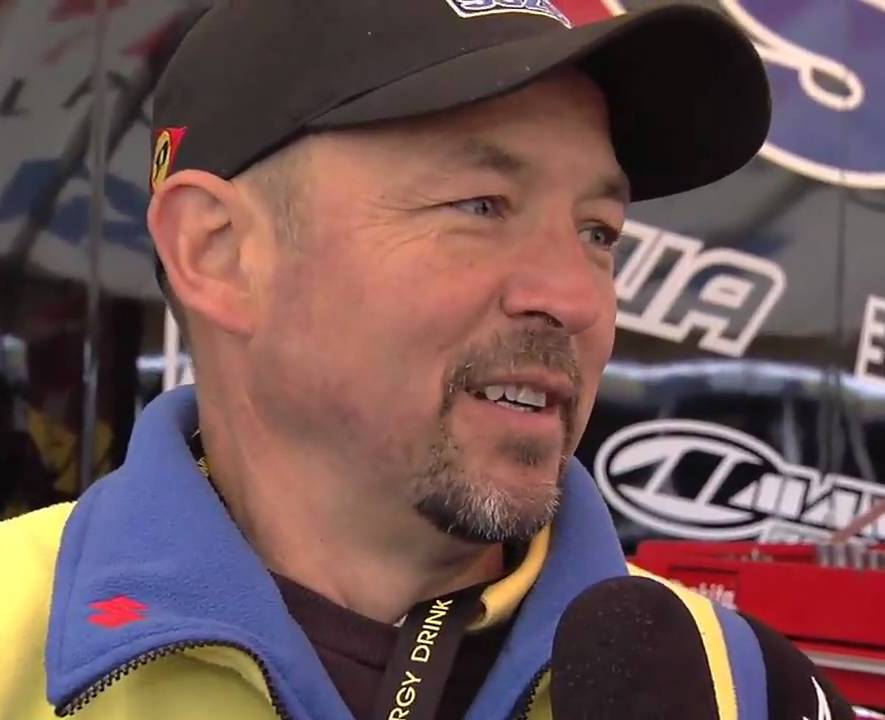
In professional motocross and supercross, riders often receive the spotlight. Yet behind every holeshot, every podium finish, and every perfectly tuned race machine, there is a mechanic whose precision determines the outcome long before the gate drops. Mike Gosselaar is one of those mechanics — a respected engine builder and performance specialist known throughout American motocross circles for his technical skill, race experience, and commitment to mechanical excellence.
Early Foundations in Motorcycle Mechanics
Before factory teams and championship-level racing entered the picture, Mike Gosselaar developed his expertise the traditional way: inside a dealership service department. That environment provides a foundational education for any serious mechanic. Daily exposure to customer bikes, warranty repairs, diagnostics, and complete engine rebuilds teaches discipline and mechanical logic.
In a dealership setting, speed and accuracy matter. Customers expect reliable machines. Performance riders demand more power and consistency. It was here that he refined his understanding of internal combustion engines — learning how cam timing, valve clearance, compression ratios, and fuel delivery systems affect performance.
Motocross engines operate under extreme stress. A 250cc four-stroke engine can rev beyond 13,000 RPM. That means tolerances must be precise. Clearances are often measured in thousandths of an inch. Any miscalculation can lead to catastrophic failure. Developing mastery at this level requires both technical knowledge and mechanical instinct.
Transition Into Professional Racing
The move from dealership work to professional racing is significant. Race teams operate in a high-pressure environment where mechanical reliability is non-negotiable. Mike Gosselaar earned his place in that world through proven performance and trust.
Professional motocross mechanics do far more than routine maintenance. They blueprint engines, test suspension setups, adjust gearing for track conditions, and make rapid changes between motos. Each track presents unique demands — deep sand, hard-packed clay, rutted corners, or steep elevation changes. Engine mapping and suspension tuning must match those variables.
Working with factory-supported teams means dealing with prototype parts, specialized components, and strict performance standards. Mechanics at that level are often rebuilding engines regularly to maintain peak output. The margin between first and fifth place can be fractions of a second per lap, and mechanical preparation directly influences that difference.
Championship-Level Experience
One of the defining aspects of Mike Gosselaar’s career is his exposure to championship-caliber racing programs. While mechanics rarely seek the spotlight, their work is visible in race results. A championship-winning bike reflects countless hours of precision assembly, tuning, and testing.
In motocross, an engine must balance three competing factors: power, reliability, and durability. Increasing horsepower often reduces longevity. Maximizing durability can reduce peak performance. The art lies in finding equilibrium. That balance is where experienced builders separate themselves from average technicians.
During his time in professional racing, Mike Gosselaar developed a reputation for building engines that delivered consistent performance under race-day stress. Riders depend on predictable throttle response and steady power delivery. Without that trust, aggressive riding becomes risky.
The Evolution Toward Business Ownership
After years of working in professional racing environments, Mike Gosselaar shifted his focus toward independent performance work. Many high-level mechanics eventually choose this path. Factory racing offers prestige, but independent business ownership provides autonomy and creative control.
His association with Gosselaar PowerSports in Idaho represents that evolution. Operating a high-performance motorcycle shop requires not only mechanical expertise but also leadership and business management skills. Customers include amateur racers, professional competitors, and serious enthusiasts who demand race-ready performance.
An engine build at this level often involves complete disassembly, inspection of every internal component, measurement of wear tolerances, precision machining when necessary, and careful reassembly using performance parts. Each build is tailored to rider preference — whether they prioritize explosive acceleration or smooth mid-range torque.
The Craft of High-Performance Engine Building
Engine building at a professional level is a specialized craft. It goes beyond replacing worn parts. True performance tuning involves:
Precision Measurement
Clearances between pistons, rings, and cylinder walls must be exact. Valve lash adjustments influence airflow efficiency. Even small measurement errors can affect horsepower output.
Component Selection
High-performance engines often use aftermarket pistons, cams, valves, and ignition components. Selecting compatible parts requires experience and understanding of how components interact.
Fuel and Air Optimization
Modern motocross bikes rely on advanced fuel injection systems. Adjusting mapping for temperature, elevation, and track layout improves throttle response and reliability.
Durability Planning
Race engines operate under constant high load. Builders must anticipate stress points and reinforce or upgrade components to prevent failure mid-race.
In this space, Mike Gosselaar built credibility through consistency. Repeat customers and competitive riders rely on proven results rather than marketing hype.
Reputation Within the Motocross Community
Motocross culture values word-of-mouth respect. Riders trust mechanics based on performance, not advertising. A strong reputation spreads through race paddocks, training facilities, and regional events.
Mike Gosselaar earned recognition not through flashy promotion but through technical competence and professionalism. Mechanics often form close partnerships with riders. That relationship demands trust, communication, and shared focus on results.
Nicknames are common in racing culture, and “Goose” became a recognizable identity in pit areas and workshops. The nickname reflects familiarity within the community rather than public celebrity.
Technical Philosophy and Work Ethic
What distinguishes elite mechanics from average technicians is philosophy. Successful engine builders follow disciplined procedures:
-
Double-checking torque specifications
-
Maintaining detailed build notes
-
Inspecting components for microscopic wear
-
Prioritizing reliability over short-term gains
Mechanical mistakes at the professional level are costly. A failed engine can mean a lost championship opportunity. For that reason, builders like Mike Gosselaar emphasize precision and accountability.
The Idaho Connection
Operating in Idaho provides strategic advantages. The region offers access to outdoor riding areas, strong motocross culture, and a steady base of riders who compete nationally. A performance-focused shop in this environment can serve both local racers and clients who ship engines from other states.
Independent shops often offer more personalized service than large dealerships. Customers can discuss specific riding styles, track conditions, and goals. That level of customization creates strong client loyalty.
Impact Beyond Racing
While professional racing may define early career milestones, long-term impact often comes from mentoring younger mechanics and helping aspiring racers improve performance. Experienced builders pass down knowledge about torque patterns, compression ratios, and maintenance intervals.
Mike Gosselaar’s career reflects the broader importance of skilled trades in motorsports. Riders may gain public recognition, but mechanics ensure that machines are capable of winning.
Why Mechanics Matter in Motocross
To understand the significance of Mike Gosselaar, it helps to recognize how much influence mechanics have in motocross competition. The rider controls balance and throttle, but the engine determines acceleration. Suspension influences cornering stability. Proper setup reduces rider fatigue.
Without precise mechanical preparation, even elite riders struggle to compete. This dynamic makes engine builders essential contributors to race outcomes.
FAQs
Who is Mike Gosselaar?
Mike Gosselaar is an American motocross mechanic and high-performance engine builder known for professional racing experience and specialized dirt bike tuning.
Is Mike Gosselaar related to the television actor?
No confirmed public information suggests a direct connection. The surname similarity has caused occasional confusion.
Where is he based?
He is associated with a powersports business in Idaho, serving motocross riders and performance enthusiasts.
What does he specialize in?
He focuses primarily on high-performance motocross engine builds, race preparation, and mechanical tuning.
Why is he respected in motocross?
His experience with professional racing teams and consistent engine performance under competition conditions earned him industry credibility.
Conclusion
Mike Gosselaar represents the dedicated professionals who operate behind the scenes of American motocross. Through dealership training, factory-level racing experience, and independent engine building, he established a reputation rooted in precision and reliability. In a sport where milliseconds matter and engines operate at extreme limits, mechanics shape the difference between participation and victory.
While riders collect trophies, mechanics build the machines that make those victories possible. The career of Mike Gosselaar highlights the importance of craftsmanship, discipline, and technical mastery in competitive motorsports.