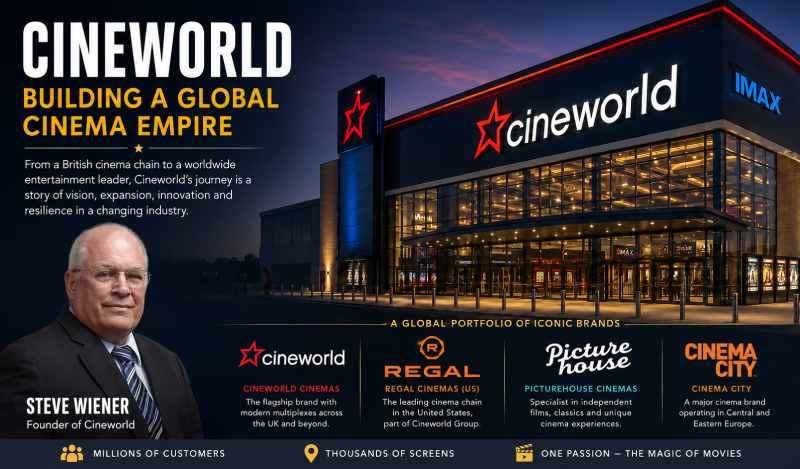
Cineworld began its journey during a time when the movie theater industry was going through major changes. Traditional cinemas were slowly losing their appeal, and audiences were looking for a more modern entertainment experience. This shift created an opportunity for companies willing to invest in bigger theaters, improved technology, and better customer comfort. One of the people who understood this opportunity early was Steve Wiener.
Steve Wiener helped shape the company with a clear focus on large multiplex cinemas that could attract families, young adults, and casual moviegoers. Instead of small standalone theaters, Cineworld focused on modern entertainment complexes that offered multiple screens, food areas, and premium seating. This strategy allowed the company to stand out in the competitive UK cinema market.
The company officially launched in 1995 and rapidly expanded across Britain. At a time when audiences were becoming more interested in blockbuster films and premium viewing experiences, Cineworld Cinemas positioned itself as a modern alternative to older cinema chains. Customers appreciated the clean facilities, improved sound systems, and wider film selections that came with multiplex theaters.
Another major reason for the company’s early success was timing. The late 1990s and early 2000s were filled with blockbuster movie franchises that encouraged people to return to cinemas regularly. Cineworld benefited greatly from this trend and used its growing popularity to continue expanding into new cities and regions throughout the United Kingdom.
How Cineworld Cinemas Changed the Movie Experience
Cineworld Cinemas became popular because it focused heavily on the overall customer experience instead of simply screening movies. The company understood that audiences wanted more than just a ticket and a screen. People wanted comfort, convenience, and high-quality presentation that they could not easily replicate at home.
One of the company’s biggest strengths was its investment in premium technologies. Cineworld introduced IMAX theaters, 3D movie experiences, advanced digital projection systems, and high-quality surround sound in many locations. These upgrades helped the brand create a more immersive movie environment that attracted audiences looking for something special.
The seating experience also improved significantly compared to older cinemas. Many Cineworld locations introduced reclining seats, spacious layouts, and VIP viewing sections. These features transformed movie-going into a premium leisure activity rather than a basic outing. Families and couples especially appreciated the comfort-focused approach.
Food and beverage services also played an important role in Cineworld’s popularity. The company expanded beyond traditional popcorn and soft drinks by offering a wider range of snacks, desserts, and meal options. This helped increase customer spending while also making cinema visits feel more complete and enjoyable.
Another important innovation was the introduction of subscription programs. Cineworld’s unlimited membership options encouraged frequent visits by allowing customers to watch multiple films for a fixed monthly fee. This strategy created customer loyalty while helping the company maintain steady attendance numbers even during slower movie seasons.
Steve Wiener’s Leadership Style and Business Strategy
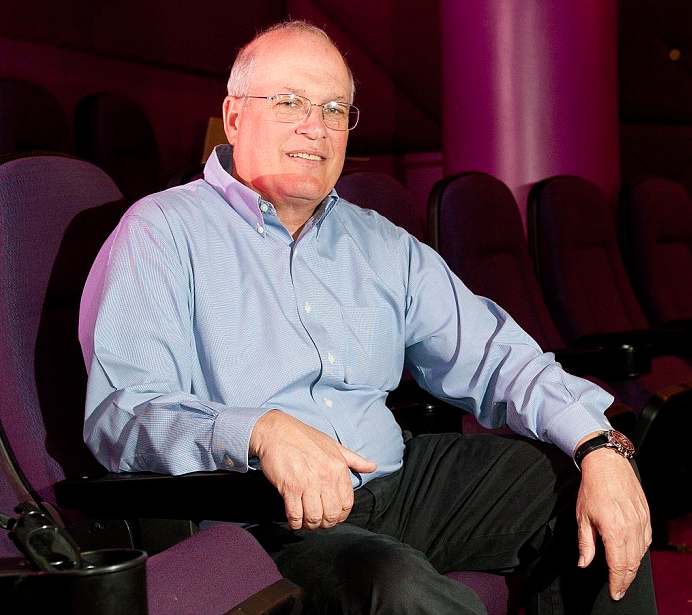
Steve Wiener was known for understanding long-term industry trends rather than focusing only on short-term profits. His leadership approach emphasized growth, modernization, and strategic expansion. Instead of remaining a local cinema chain, he envisioned Cineworld becoming a major international entertainment company.
One of his biggest strategic strengths was recognizing the importance of scale. Large cinema chains can negotiate better deals with film distributors, invest more aggressively in technology, and build stronger customer loyalty programs. By continuously expanding, Cineworld increased its influence within the entertainment industry.
Steve Wiener also understood the importance of location strategy. Many Cineworld cinemas were placed inside shopping centers, retail parks, and busy entertainment districts. This made the theaters easily accessible and increased foot traffic from shoppers and nearby visitors. The cinemas became part of broader leisure experiences rather than isolated venues.
Another key factor in the company’s growth was its willingness to adapt. As digital streaming platforms became more popular, many traditional cinemas struggled to maintain relevance. Cineworld responded by emphasizing premium viewing experiences that people could not fully replicate at home. The company focused on making cinema outings feel social, exciting, and visually impressive.
The leadership team also paid attention to branding and consistency. Customers visiting different Cineworld locations generally expected a similar experience in terms of cleanliness, seating, sound quality, and customer service. This consistency helped build trust in the brand across multiple regions.
Expansion Beyond the United Kingdom
As Cineworld became more successful in Britain, the company started looking for opportunities outside the UK market. This expansion transformed the business from a national cinema chain into an international entertainment giant. Acquisitions became one of the company’s primary growth strategies.
A major milestone came with the acquisition of Cinema City, which helped Cineworld establish a strong presence in Eastern and Central Europe. This move significantly increased the company’s international footprint and introduced the brand to new audiences across multiple countries.
The company later acquired Picturehouse Cinemas, which added a completely different style of movie experience to the business. Picturehouse Cinemas focused more on independent films, art-house productions, and unique cultural programming. This allowed Cineworld to diversify its audience and appeal to film enthusiasts interested in more than mainstream blockbusters.
Perhaps the most important expansion move came when Cineworld acquired Regal Cinemas in the United States. This massive acquisition dramatically increased the company’s global scale and made it one of the world’s largest cinema operators. The Regal Cinemas deal gave Cineworld access to the extremely competitive but highly profitable American movie market.
This international expansion also created operational challenges. Managing cinemas across multiple countries requires careful coordination, financial planning, and cultural understanding. Different regions have different viewing habits, pricing expectations, and entertainment preferences. Cineworld had to balance global consistency with local adaptation.
The Challenges Faced by Cineworld
Despite its impressive growth, Cineworld eventually faced significant financial and operational difficulties. The cinema industry changed dramatically due to technological shifts, changing consumer habits, and global events that impacted entertainment businesses worldwide.
Streaming platforms became one of the biggest challenges for traditional cinemas. Services like Netflix, Disney+, and Amazon Prime Video gave audiences easy access to films and television content from home. This reduced the urgency many people once felt about visiting movie theaters regularly.
The COVID-19 pandemic created even more serious problems for the industry. Cinemas around the world were forced to close for long periods, causing massive financial losses. Movie studios delayed major film releases, and audience attendance dropped sharply even after theaters reopened. Cineworld struggled under the pressure of large operational costs and heavy debt obligations.
The company eventually filed for Chapter 11 bankruptcy protection in the United States in 2022. This was a major moment in the company’s history because it highlighted how vulnerable even large entertainment corporations can become during industry disruptions. The bankruptcy process allowed Cineworld to restructure parts of its debt and continue operating while making financial adjustments.
Although the company faced criticism during this difficult period, many analysts noted that the broader cinema industry was experiencing similar problems. Rising operational costs, changing viewing habits, and economic uncertainty affected multiple theater chains around the world.
Why Cineworld Still Matters in Modern Entertainment
Even after facing financial difficulties, Cineworld remains an important name in the global cinema industry. The company helped shape modern movie-going experiences and influenced how multiplex cinemas operate today. Its impact can still be seen in theater design, premium seating concepts, subscription services, and large-scale entertainment complexes.
Many audiences still value the social experience of watching movies in theaters. Big blockbuster releases continue attracting large crowds because certain films simply feel more exciting on giant screens with immersive sound systems. Cineworld continues benefiting from this demand for shared entertainment experiences.
The company also demonstrated how cinema chains could diversify their offerings. Through brands like Picturehouse Cinemas, Cineworld showed that theaters could appeal to both mainstream audiences and independent film lovers. This flexibility helped broaden the company’s cultural relevance.
Another important factor is nostalgia. For many people, cinemas represent memories of family outings, dates, celebrations, and major film releases. Cineworld became part of those experiences for millions of customers across different countries. That emotional connection continues to hold value even in a streaming-dominated era.
Industry experts also believe that cinemas will continue evolving rather than disappearing completely. Premium experiences, event screenings, gaming events, live broadcasts, and luxury seating models may help theater chains remain competitive in the future. Cineworld’s earlier investments in premium cinema experiences positioned it ahead of many competitors in this area.
FAQs
1. Who founded Cineworld?
Steve Wiener was one of the key founders behind Cineworld’s growth and expansion.
2. What is Cineworld known for?
Cineworld is known for multiplex cinemas, IMAX screens, and premium movie experiences.
3. Did Cineworld own Regal Cinemas?
Yes, Cineworld acquired Regal Cinemas (US) to expand into the American market.
4. What are Picturehouse Cinemas?
Picturehouse Cinemas are part of Cineworld and focus on independent and art-house films.
5. Why did Cineworld face financial problems?
Cineworld struggled due to streaming competition, debt, and the impact of the COVID-19 pandemic.
Conclusion
Cineworld grew from a British multiplex cinema operator into one of the most recognized entertainment companies in the global theater industry. Under the influence of Steve Wiener, the company embraced modernization, large-scale expansion, and premium movie experiences that transformed how audiences viewed cinema entertainment.
The success of Cineworld Cinemas came from understanding audience expectations and continuously investing in technology, comfort, and accessibility. Through acquisitions like Regal Cinemas (US), Picturehouse Cinemas, and Cinema City, the company built an international presence that few cinema chains could match.
Although financial struggles and industry disruptions created major obstacles, Cineworld’s influence on modern cinema culture remains significant. The company helped redefine what people expect from movie theaters and proved that cinemas can still offer experiences that streaming services cannot fully replace.